
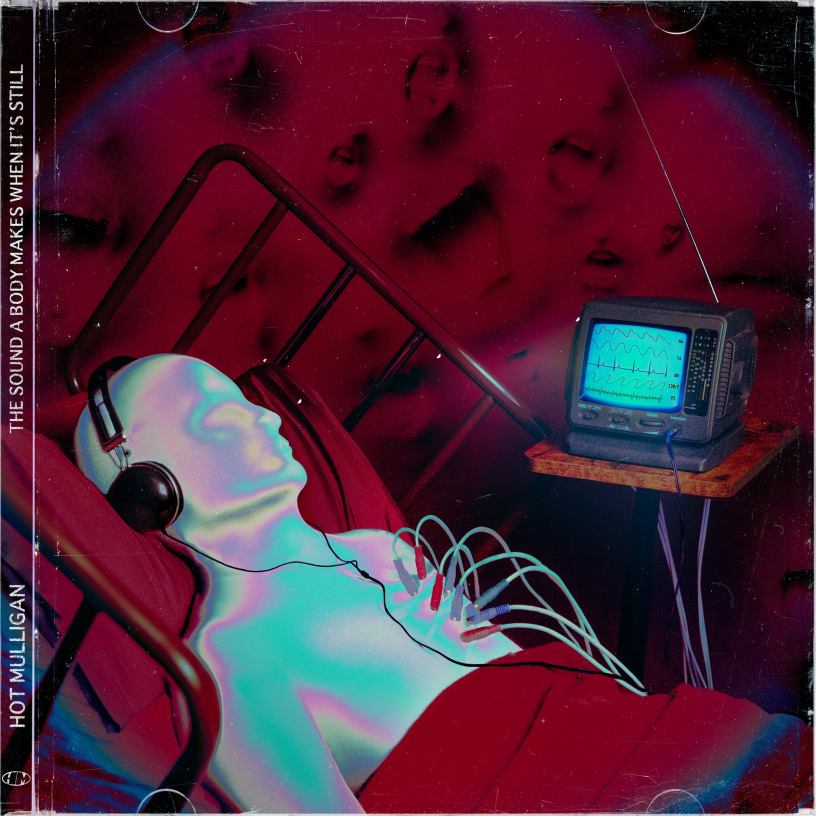
Some bands make an immediate impact on you, other bands take time to leave their mark. While I discovered Hot Mulligan early in their career, it wasn’t until I got my mom tickets to see them for Christmas that I truly understood how special they were. Since then they’ve been a band I’ve adored, with Why Would I Watch even being my 2023 album of the year.
One thing that has always impressed me with this band is just how prolific they are. They put out records almost every two years and often release one-off singles and EPs as well. All of this is to say how impressive it is that this album has 16 new songs and still manages to give hardcore fans a fresh perspective on what makes them special.
One thing that stands out when comparing this record to their past work is that it feels less immediate. Earlier Hot Mulligan albums came in with a lot more urgency, while this one takes its time. The songs breathe more. The pacing feels a bit slower overall and leans heavier into the “emo” side of their sound. That shift makes sense though. The lyrical content is some of the darkest and heaviest they’ve written, and giving the music space actually makes those words land harder. It may not connect right away for listeners who are more drawn to the band’s pop punk energy, but the slower pacing fits perfectly here.
From the very first track, “Moving to Bed Bug Island,” I could tell this record was going to be something different. It opens with just acoustic guitar and a vocal part, saving the full band hitting hard just for the choruses. When it hits the lead guitar noodles its way through, while the classic screamed Hot Mulligan vocals return. The rest of the song is given space to breathe. In the outro a melodic synth slides in, and there are even auto-tuned vocals that gradually speeds up right into the second track. It’s subtle, but it builds a world for the record to live in.
The second track, “And a Big Load,” is the most classic Hot Mulligan song on the record. Self deprecating and hopeless, it captures an unfiltered feeling of worthlessness. The chorus slams, and the bridge is full with punchy, tapping emo guitar lines. Ryan Malacsi’s classic lead guitar noodling on this record feels both technical and emotional, somehow giving the songs energy but also creating melancholy. There’s is a strong sense of influence from bands like Marietta, or Algernon Cadawallader.
“It Smells Like Fudge Axe in Here,” opens with some classic Hot Mulligan guitar riffs before Chris Freeman screams into the verse. The bridge is fantastic as the drums drive the downbeat. The final chorus includes a little halftime switch halfway through that works perfectly. The closing line, “Is it a calling card to not like who you are? Is it a passing thing to always hide away?” feels reflective and searching, like an attempt to grow through your pain rather than sit in it. Later on the same track Tades sings “I’m not what you want at all, ten cord cutout of pinewood, collapse with the weather.” This line caused me to personally reflect on wanting to cut out the parts of me that I do not like. Maybe that’s just the millennial calling card, never feeling good enough.
“Island in the Sun,” a song about getting wasted, brings in a feature from Cory Castro of Free Throw. A little cough after the first chorus even makes an appearance, a small detail that gives character. The second verse brings in classic signature Free Throw belted vocals. While the outro is beautiful, and full of twinkly guitars with layered vocals that carry it home. The bridges and outros on this record are a huge highlight, they often introduce a new idea or mood that completely reframes the songs. These are not just transitions, but emotional pivots.
The interludes on this record are incredible in how they stitch things together in a way that makes the whole album feel more cohesive. Early on, “This Makes Me Yummy” shows up with its lo-fi vibe. Mixed in mono, it’s full of robotic sounds, rung out distorted guitar, and electronic drums – reminding me of an emo version of a kid A. A mood that’s completely different for the band, and honestly makes me want to check out more of their lo-fi material.
Later in the record, “This Makes Me Yucky” balances things with something more raw. The entire track feels like it was run through a tape machine, especially the acoustic guitars. The guitars have a warped, pitch-shifted quality, as Tades tells a story about childhood. It’s understated but heavy, the kind of track that makes you stop and reflect. That little pause in the middle of the record feels like driving around on a rainy day, lost in your thoughts. Taken together, the two interludes act like mirrors across the record. One leans into experimental electronic textures, the other into stripped back nostalgia. They give the album shape and balance, and they make the heavier songs around them land even harder.
“Monica Lewinskibidi” is perhaps the most crushing example of how this record deals with grief and regret. “It’s 5 am in Tokyo and half a world away, I’m sitting in a parking lot, you’re laying in your grave, and now I am afraid of you, to know that it’s all done, I didn’t try hard enough to be a proper son.”Earlier in the song, we see Tades going through the bargaining stage of grief: “Wake up, I can’t let you just lay there and sleep, please wake up, there’s still time if you’d stay up with me, please wake up, I’ll call home every day if you’d stay, please wake up, I’ll call home.” You can hear the desperation in his delivery, that he would do anything to change the current circumstances. It’s real, and it’s heavy.
That goes right into “Milam Minute,” which is a quick acoustic cut. This song sees Chris Freeman singing lead rather than Tades, almost as if it was too hard for Tades to sing it himself. “We put you in the ground, Katie’s crying, the kids are not around, I know that it’s hard, never been apart. Places that I’ve been, I’d tell you about them, what you would’ve said, ‘I’m so proud of you.’” It’s understated and raw, continuing the theme of grief and painting a vivid picture of the aftermath. Just a really emotional follow up and a beautiful quiet moment. The sequencing is perfect.
Of course, the record has plenty of moments of self-loathing and self-deprecation. On “Slumdog Scungillionaire,” Tades asks, “Why would my father still love me? I’m useless as his son.” It’s a question that feels deeply self-aware. On “Bon Jonah,” Tades sings, “Some sin I already regret, although I haven’t done it yet, I’d rather mitigate the chance, sit still and shut the fuck up.” It paints a picture of someone who believes the only way not to make things worse is through silence.
One of the biggest lyrical themes on this record seems to be built around guilt. First, we see some examples of survivor’s guilt in “Monica Lewinskibidi” and “Slumdog Scungillionaire.” In the former, Tades sings, “You’re laying in your grave, and now I am afraid of you, to know that it’s all done, I didn’t try hard enough to be a proper son.” In the latter, he asks, “Why would my father still love me? I’m useless as his son.” These are clear examples of regret directly tied to survival — a belief that staying alive comes with a cost when you feel like you haven’t lived up to who someone needed you to be.
Then we have guilt as an inheritance. On “Let Me See Your Mounts,” he sings, “When you’ve been conditioned, pills all swallowed, told you’re awful, awful is all you’ll ever be.” This shows the guilt the narrator feels has been inherited. Being conditioned to feel that you aren’t good enough is a very relatable theme. We try and we try and we try, and we still feel like we can’t live up to the expectations set forth ahead of us.
Then on “Carbon Monoxide Hotel” there’s an example of moral guilt. “Ashamed every day I don’t know some new evil I’ve done.” That sense of feeling like you’ve done something wrong, and not even having the ability to pinpoint what it is, whether it’s from disassociation, paranoia, or lack of sobriety (a common theme of the record), can be horrifying.
“Bon Jonah” touches on everyday guilt attached to neglect and avoidance. On “Bon Jonah,” the line “There’s no point to try to speak, I’ll hold the word until it dies l, Won’t have to reckon with my problems if I refuse to try” hits particularly hard. Neglecting your problems hoping they’ll disappear is not something they usually ends wells.
Track 9, “Cream of Wheat of Feet Naw Cream of,” opens with a pretty, acoustic sounding intro: “Smell the roses… isn’t it a beautiful thing, throat closes tight while you’re unable to breathe.” The second he sings “breathe,” the full band kicks in and the entire mood changes. You feel the shift, like being pulled into that sudden shock of waking up, thinking it’s going to be a good day, then being hit with the reality that someone you love can’t even breathe. It’s a powerful choice, and it lands perfectly in the middle of the album.
A late standout, “Monster Burger and a 5 Dollar Beer,” starts with a catchy intro. Structurally unique, the chorus doesn’t hit until deeper into the song. The bridge crashes into a halftime with a nice little pause that adds tension. Then Chris absolutely kills the outro, the way John Nolan would at the end of a Taking Back Sunday song. That emotional push and pull, the way it lifts into chaos but still feels melodic. It’s definitely an album highlight. Lyrically the song paints the picture of codependency, “Mercy hangs by the heel of a boot, when being alone only darkens the view, It only comes when you’re away, and when you’re there it makes me brave.”
The penultimate track, “Slumdog Scungillionaire,” is possible the most unique song on the record. It opens with a great synth and quiet vocal intro, then builds into a mathy Midwest emo verse (11/8) that feels like something straight off the Warmer Weather EP. The bridge drops into a minor key with super low vocals, then slowly builds until it explodes into a proper breakdown with full-on screaming. It feels like the climax of the record.
Having two vocalists always helps set a band apart. Having that second voice that weaves in and out of songs is essential to Hot Mulligan’s sound. The way Tades and Chris switch off, sometimes within verses and sometimes across whole songs, gives the album a back and forth energy that fills every space of the music. It created an urgency that reminds me of early aughts emo/pop punk.
There are high energy songs, slower ballads, experimental breaks, and some of the band’s heaviest moments on this album. However, the closer, “My Dad Told Me to Write a Nice One for Nana So This Is It,” strips everything away. No effects, no reverb, just a voice and a guitar. The closing lyrics, “There’s no replacement I could ever choose, I sing your praise, it’s the least that I could do, Hope you know how much that I love you, There’s no saint like you; There’s no way I’d part with you,” hits incredibly hard given the context the album has given the listener about grief.
The Sound a Body Makes When It’s Still is the most cohesive Hot Mulligan record so far. It isn’t just a great album for fans of the band, it challenges their formula. And most importantly, the more you play it, the more and more it sticks with you.
Score: 9/10
Release Date: 8/22/25
Tracklist
Moving to Bed Bug Island
And a Big Load
It Smells Like Fudge Axe in Here
Island in the Sun (feat. Cory Castro of Free Throw)
Bon Jonah
This Makes Me Yummy
Monica Lewinskibidi
Milam Minute
Cream of Wheat of Feet Naw Cream of (feat.)
Mix Master Wade on the Beat
Carbon Monoxide Hotel
This Makes Me Yucky
Let Me See Your Mounts
Monster Burger and a $5 Beer
Slumdog Scungillionaire
My Dad Told Me to Write a Nice One for Nana So This Is It
Review written by Bryan Williams


Nice review. I love the album. It‘s my second favorite from The Mullies right now behind you‘ll be fine. I hope they do a little more singing and less screaming on their next material because on some songs it really showed they‘re getting better at that.
Also props to the great mix!
LikeLike